



The Château
When Nicolas Fouquet called upon Louis Le Vau in 1653, the architect already enjoyed a prestigious reputation. As First Architect to the King, Le Vau was seen as the leading advocate of Italian style in France, while also drawing inspiration from antiquity. These influences allowed him to create a new and powerful architectural language at Vaux-le-Vicomte—one that would become the foundation for French architecture for the next 150 years.
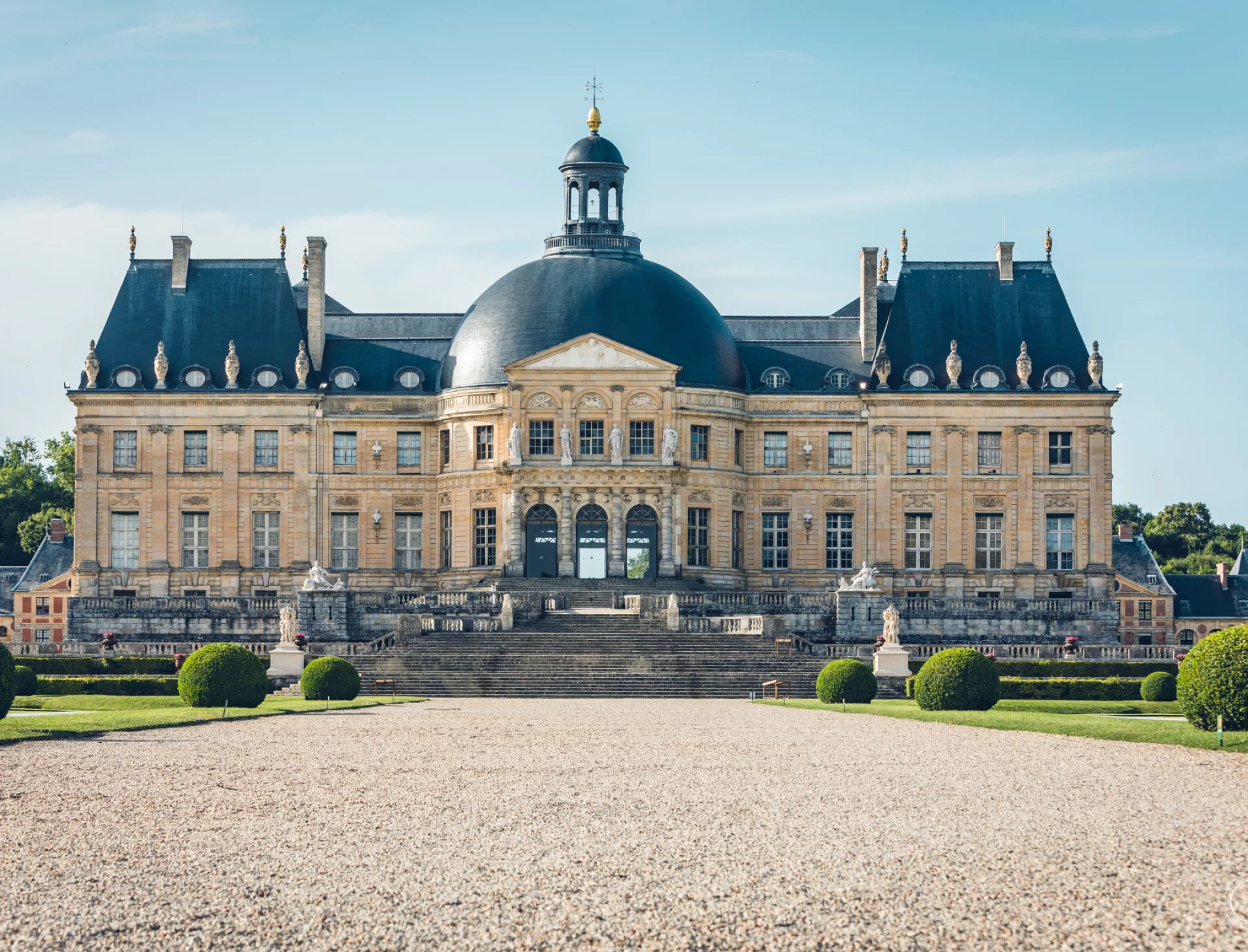
Vaux-le-Vicomte as a staged masterpiece
Majestically positioned along a four-kilometer axis, the château unfolds like a theatrical backdrop. The visitor’s gaze is guided by the walls of the outbuildings bordering the forecourt. Without obstructing the view, the château reveals glimpses of the gardens on either side of its façade. These extend well beyond the buildings, gracefully following the natural slope of the terrain and shaped into vast terraces. A central axis dominates the balanced layout. Through the Vestibule and Grand Salon, this axis continues visually all the way to the statue of Hercules Resting, two kilometers further south.
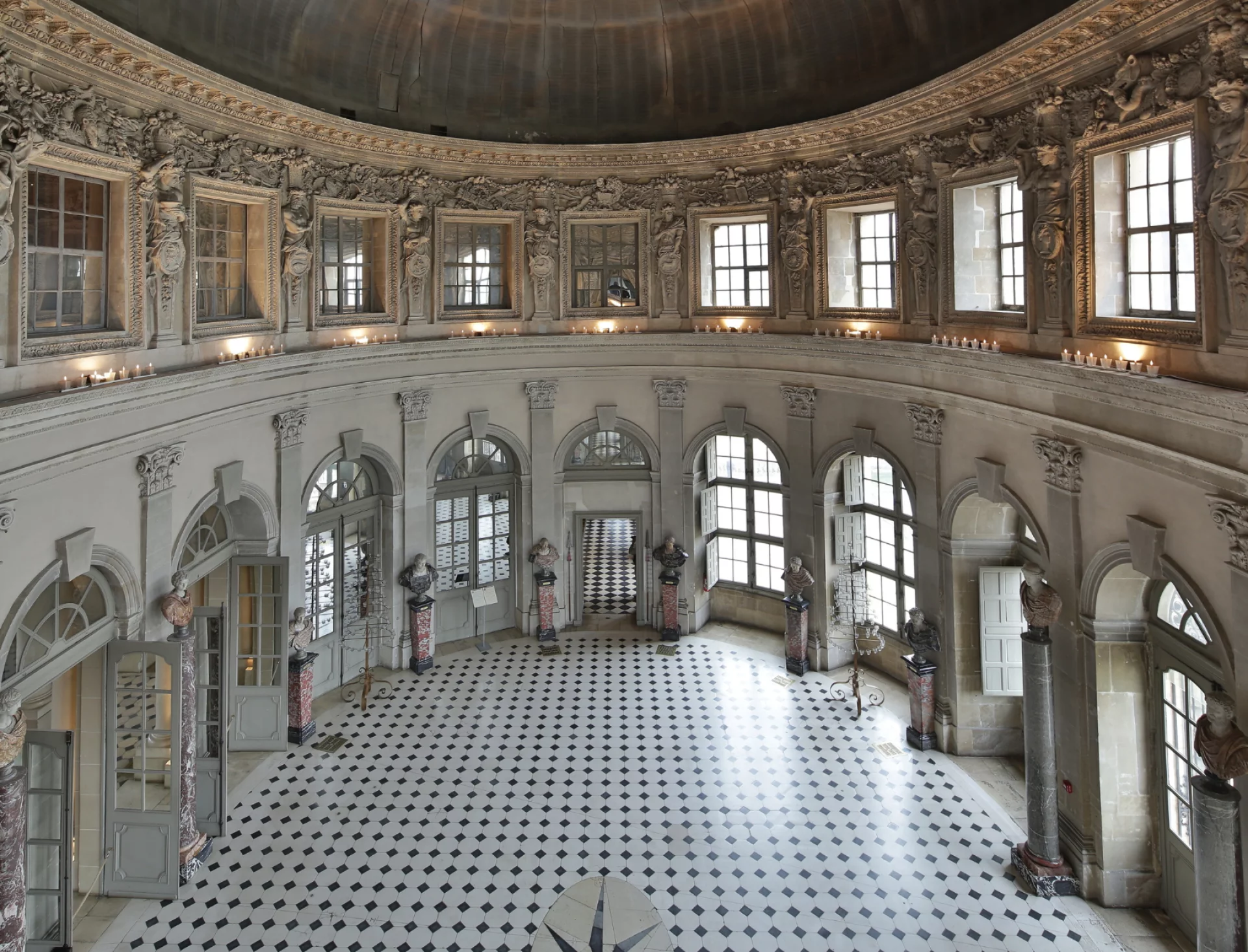
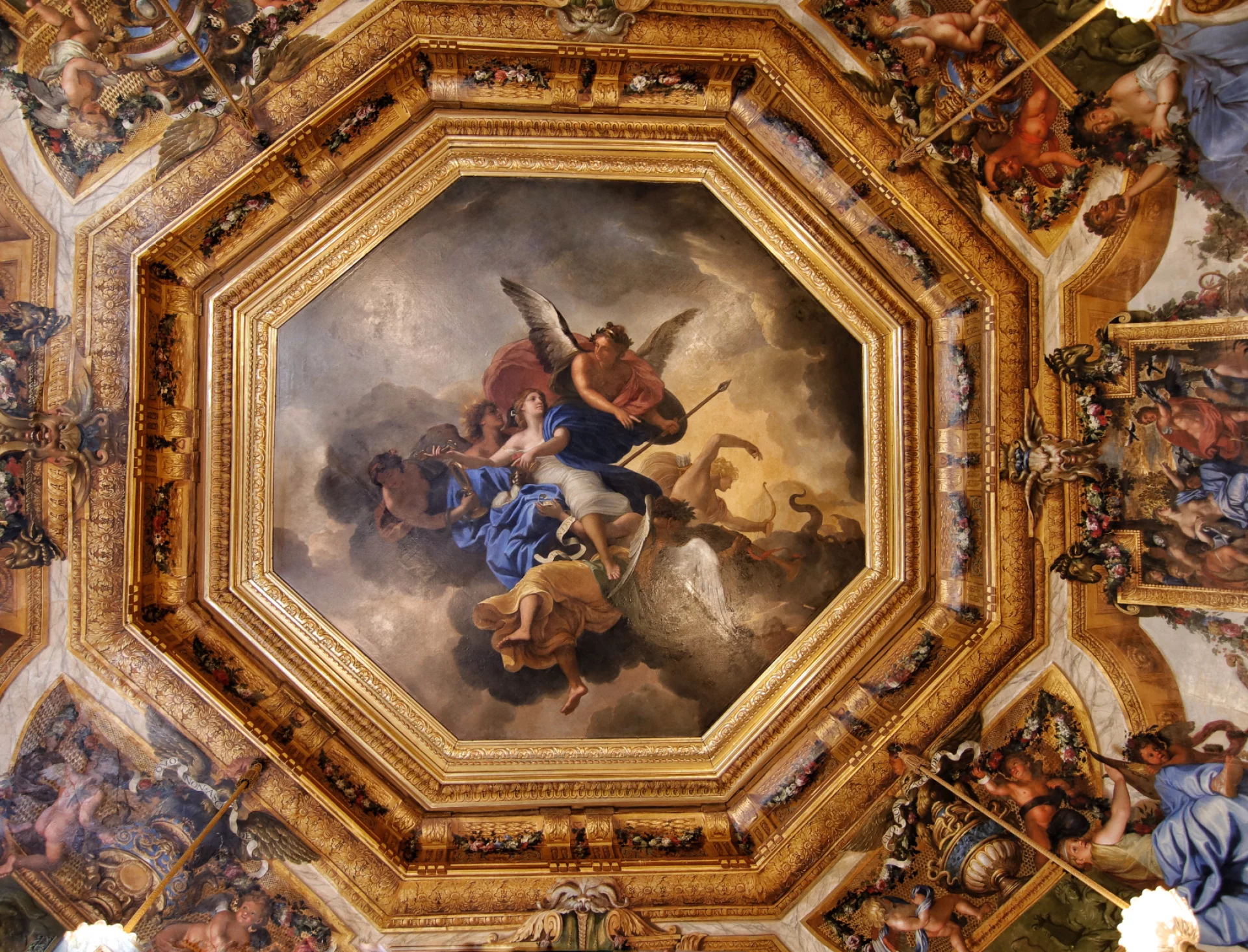
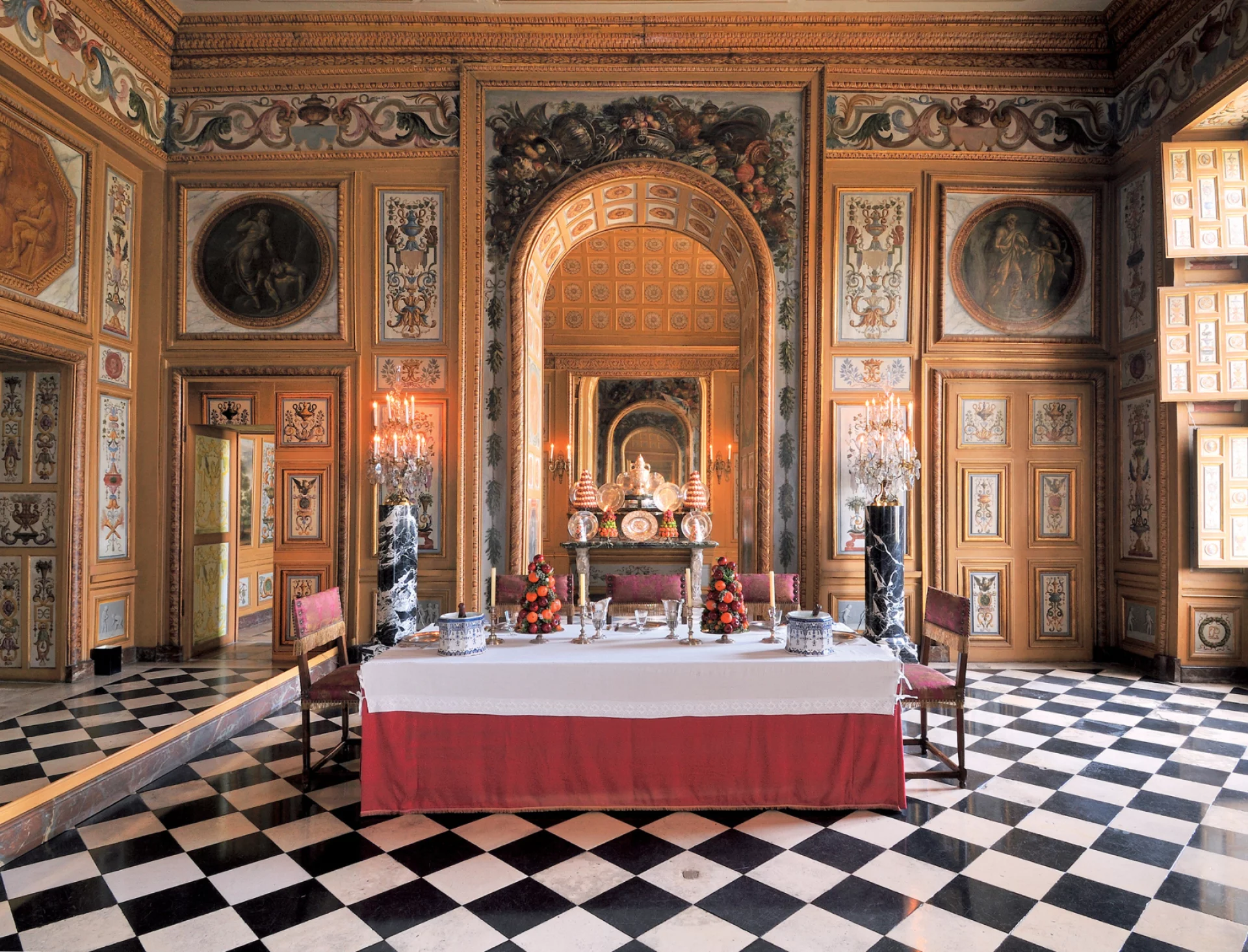
Vaux-le-Vicomte as a staged masterpiece
At Vaux-le-Vicomte, architecture breaks with the rigid norms that had previously governed the design of great residences. Traditionally, buildings were composed of single blocks with rooms aligned from front to back, which limited privacy. Here, a new concept is introduced: instead of stacking spaces vertically, they are laid out side by side, giving the structure a double thickness and enabling major innovations.
This configuration made it impossible to use a traditional French roof (a high, straight-sided structure), due to the complexity of the framework. The solution was a mansard roof—later widely adopted in French architecture. The château’s ovoid dome, meanwhile, stands as a remarkable technical and aesthetic achievement.
The corner pavilions retained their high roofs, despite this feature already being outdated, much like the surrounding moat and drawbridges—once essential for defense.
This new internal organization also allowed for greater freedom in spatial design. Upstairs, a central corridor serves four independent apartments, offering unprecedented privacy and inspiring future hotel layouts around the world. The ground floor thus became the formal level, while the upper floor was reserved for more intimate private apartments.
Visiting the Château
The visit spans three fully furnished levels, staged as though Nicolas Fouquet and his family had just stepped out.
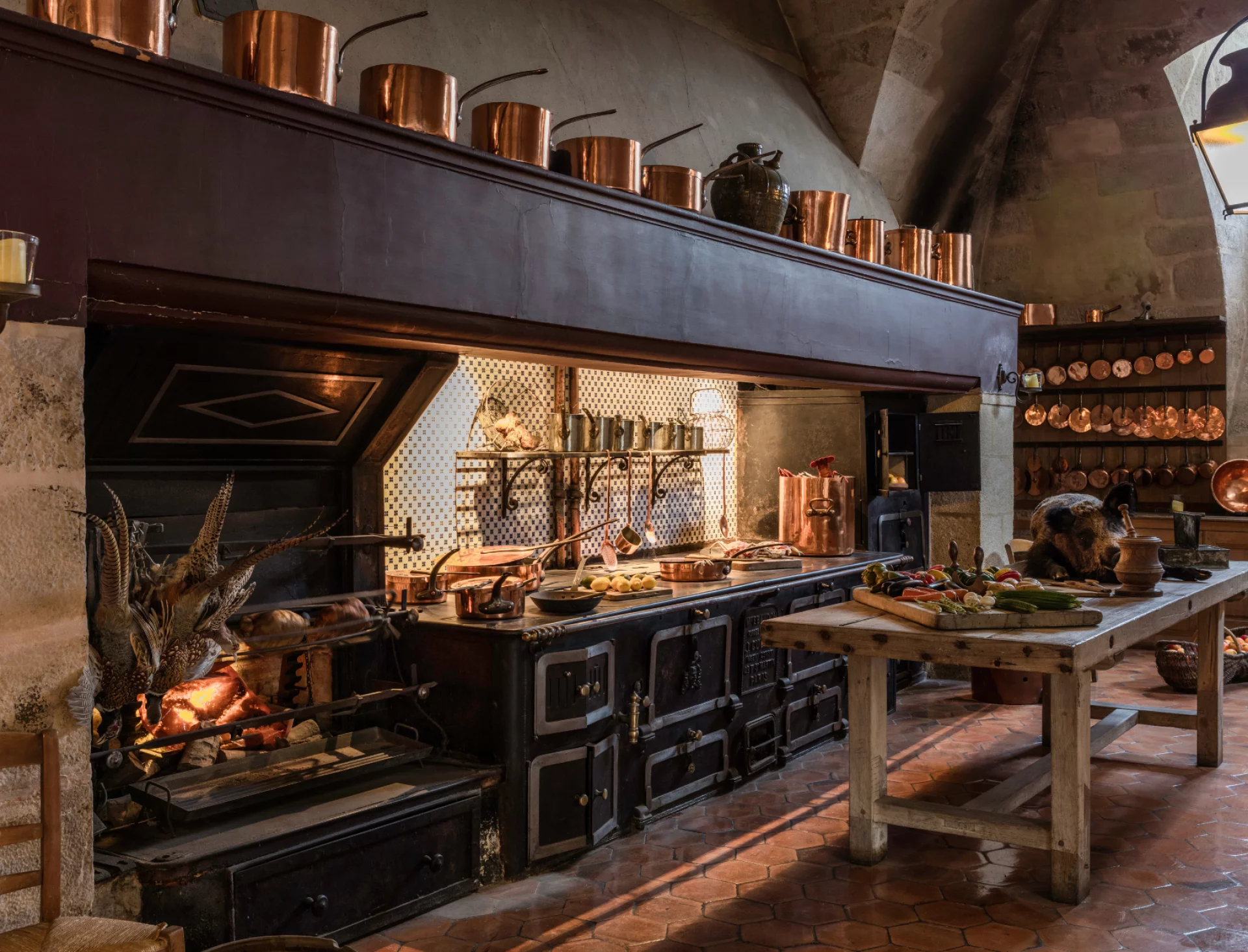
Begin with Fouquet’s private apartments on the first floor, continue with the grand reception rooms on the ground floor, then descend to the lower level where you’ll find the vast kitchens. The final highlight is a projection titled “André Le Nôtre at Vaux-le-Vicomte: The Foundational Work”.
You can enjoy the visit:
- Freely (with interpretive panels in each room)
- With a headset for an immersive audio tour (included in the ticket price – not available during “The Great Easter Egg Hunt,” “Grand Siècle Rendez-vous,” or “Vaux-le-Vicomte Celebrates Christmas”)
Here you’ll explore the private apartments of Mr. and Mrs. Nicolas Fouquet. The rooms are brought to life with artworks chosen to reflect the tastes of the original owners, offering a vivid glimpse into the daily life of a 17th-century aristocratic household.
Discover the Grand Square Room, the Salon of the Muses, the Gaming Room, and the King’s Bedroom. These rooms showcase the château’s most ornate baroque interiors. Furniture, tapestries, and sculptures are arranged to immerse you in the intimate splendor of a palace that inspired Europe’s greatest estates.
Your visit continues with the servants’ hall, the kitchens, and the vaulted wine cellar—offering a behind-the-scenes look at life inside an extraordinary estate.