
A sustainable estate
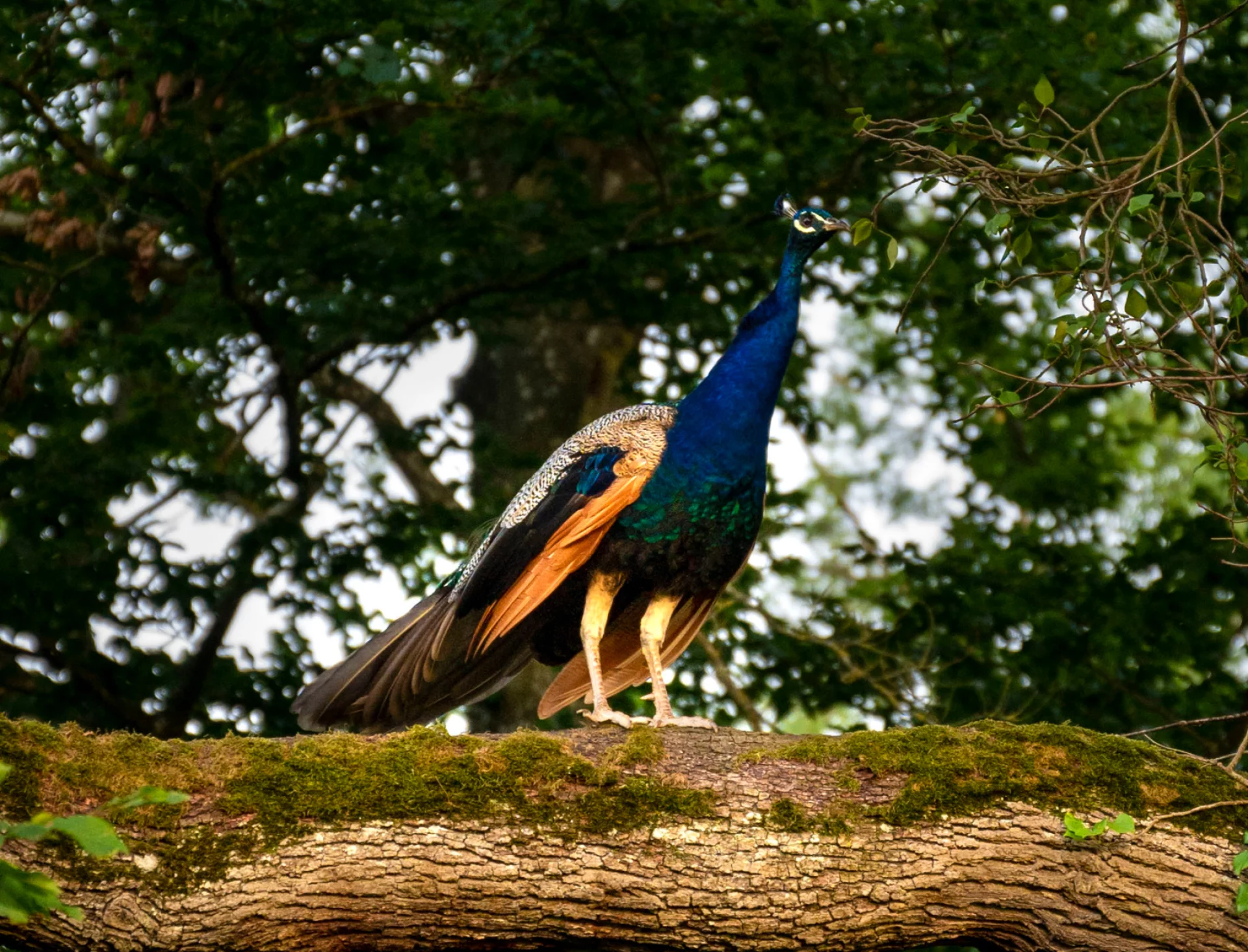
Preserving a historic monument also means preserving the world around it. Climate change is not an abstract concept for us—it’s a reality that we observe daily in the changing appearance of our park and woodland. The forest of Vaux-le-Vicomte, covering 450 hectares, serves as a natural barometer. It calls us to action.
In 2023, we carried out our first carbon assessment. The result: Vaux-le-Vicomte is a carbon sink. Our forests absorb more CO₂ than all the estate’s activities emit—even including part of the international travel of our visitors. But this encouraging result has not stopped us. We have voluntarily committed to reducing our emissions, without being legally required to do so.
We have identified two major sources of emissions:
- Visitor travel. To help reduce it, we finance a daily shuttle service between Melun train station and the estate, making access by public transport from Paris easier.
- Building heating. We have already met the targets set by the 2030 French “Tertiary Decree.” In 2024, an energy audit led to a major project: 6,000 m² of attics will be insulated by 2026. We are also studying a geothermal solution compatible with our protected heritage site.
Our commitment also translates into concrete actions:
- Since December 2024, all our power generators have run on HVO100, a 100% renewable biofuel made from residual vegetable oil, reducing greenhouse gas emissions by 90%.
- In 2025, we invested €110,000 in the renovation of our water network, saving 20,000 m³ of water per year.
- In our restaurants, 80% of the food products are of French origin. Over the past 4 years, we have halved our beef consumption while still serving nearly 70,000 meals annually. We have strengthened partnerships with local farmers and prioritized short supply chains and eco-responsible practices.
This commitment continues through smaller but meaningful actions:
- We have replaced all our internal vehicles with non-polluting electric carts.
- We have left Twitter (now X), whose environment no longer aligned with our values.
- We have switched to banking institutions recognized for their ethical and environmental responsibility.
- We limit our digital storage and closely regulate our use of artificial intelligence.
Lastly, we expect our suppliers to uphold the same standards we do—in their materials, supply chains, and ethical practices.
This is not a perfect or fixed approach. It is not a communication campaign, but a sincere and ongoing commitment to improving our practices. Because a 17th-century monument only makes sense if it respects the century we live in.